
If you think selling a business on the Mississippi Gulf Coast is just like selling one anywhere else, you're leaving money on the table. Or worse: you're pricing yourself out of realistic buyer expectations. The coastal location isn't just a geographic detail. It's a valuation factor that can add or subtract hundreds of thousands from your final number.
I've seen business owners get blindsided by this. They prepare their financials, clean up their operations, and list their business based on standard multiples. Then buyers start asking questions they didn't expect.
Here's what matters when you're getting a business valuation Mississippi buyers will actually respect.
Insurance Costs Are Reshaping Buyer Calculations
Hurricane risk isn't hypothetical on the Gulf Coast. It's a line item.
Property insurance premiums have climbed aggressively since 2020. For coastal businesses, especially those with significant physical assets or waterfront locations, insurance can represent 2-3 times what a comparable inland business pays. Buyers factor this into their operating expense projections immediately.
When your insurance costs eat into margins, your multiple drops.
I worked with a restaurant owner in Biloxi last year who was shocked when buyers kept reducing their offers. The issue? His annual insurance premium was $47,000: nearly double what he'd paid three years earlier. That $20,000+ annual difference directly reduced his business value by roughly $100,000 using standard valuation methods.
Another factor: insurability itself. Some coastal properties are becoming harder to insure at any price. If a buyer can't secure affordable coverage, your business becomes nearly impossible to sell regardless of how strong the operations look.
The fix isn't to hide these costs: it's to document them clearly and show they're already reflected in sustainable pricing models.
Seasonal Revenue Patterns Need Different Analysis
Gulf Coast businesses often operate on tourism cycles that inland businesses don't experience. Your summer months might generate 60% of annual revenue. That's normal for the coast, but it flags differently in standard valuation models.
Buyers from outside the region sometimes misread this seasonality as instability. They see the winter slump and worry about cash flow sustainability. You need to contextualize these patterns within coastal market norms.
Here's what I tell owners: separate your seasonal trends from your actual growth trajectory. Show year-over-year performance during comparable seasons. If your May 2025 beat May 2024 by 12%, that tells a different story than just showing total annual growth.
Tourism-dependent businesses also face another valuation consideration: economic sensitivity. When gas prices spike or recession fears hit, discretionary travel spending contracts. Buyers price in this volatility.
The Housing Affordability Crisis Affects Your Workforce Value
Since 2020, Gulf Coast housing prices have jumped roughly 50%. That's created a labor availability issue that directly impacts business valuations.
If your business depends on hourly workers, buyers are looking hard at your retention rates and wage structures.
The challenge: entry-level workers increasingly can't afford to live near coastal employment centers. They're commuting longer distances or leaving the region entirely. This workforce pressure means businesses either increase wages (reducing margins) or accept higher turnover (increasing training costs and operational risk).

When I value a Gulf Coast service business, I specifically look at:
- Average tenure of hourly employees
- Wage rates compared to regional competitors
- Housing cost burden for typical staff positions
- Recruiting pipeline stability
A business that's solved this problem: maybe through above-market wages, housing assistance, or strong company culture: actually commands a premium. You've de-risked a major operational concern.
Document your workforce stability. It's a competitive advantage in today's coastal market.
Infrastructure Recovery Time Creates Operational Risk
Buyers evaluate business continuity plans differently on the coast. They want to know: if a major storm hits, how long until you're operational again?
Your answer to that question affects valuation.
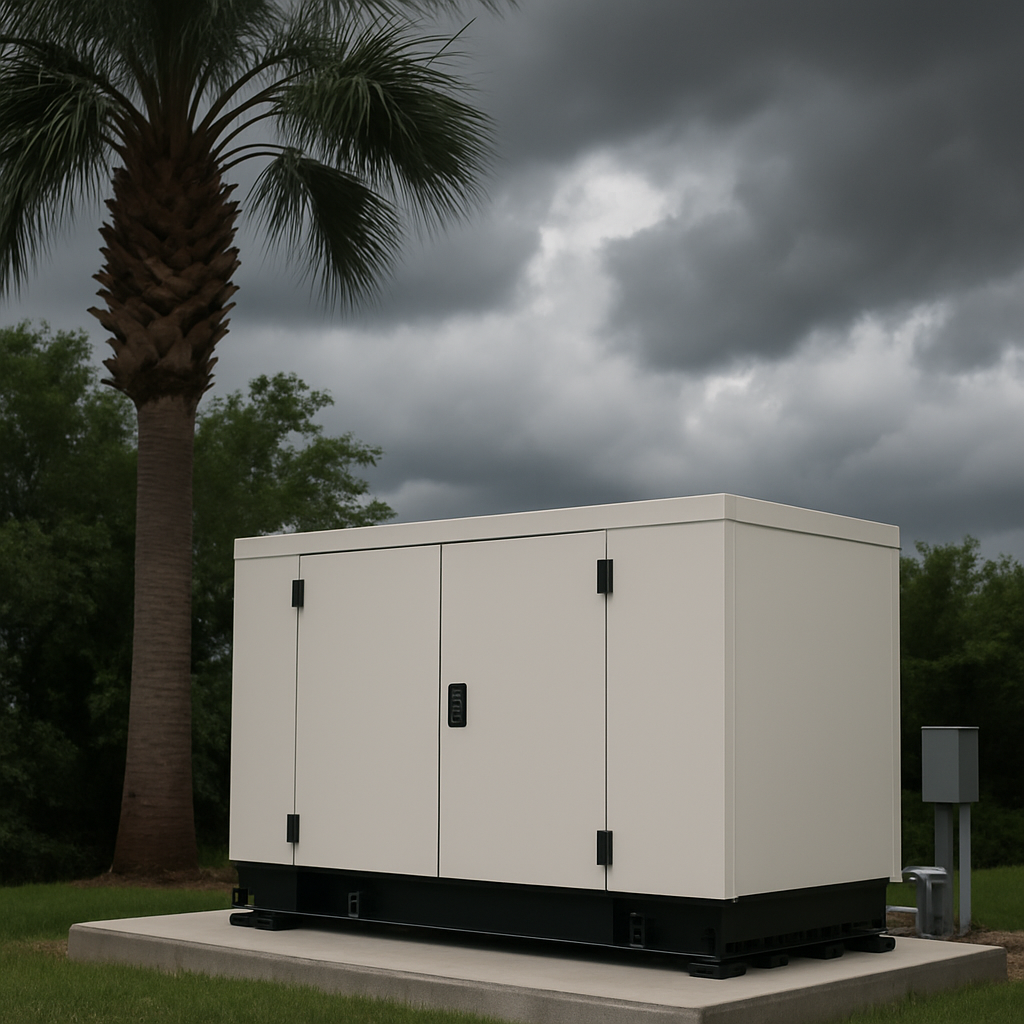
I've seen businesses with robust backup plans: generator capacity, flexible supply chains, documented recovery protocols: maintain higher valuations because they've reduced disruption risk. Meanwhile, businesses without clear continuity planning get discounted.
Specifically, buyers look at:
- Backup power systems and capacity
- Supply chain redundancy for critical inputs
- Staff evacuation and return protocols
- Historical recovery times from past events
- Business interruption insurance coverage
This isn't paranoia: it's due diligence. A buyer paying six figures for your business wants confidence that a September storm won't shut you down for three months.
Real Estate Value Swings Create Timing Opportunities
The Gulf Coast property market moves differently than Mississippi's inland markets. Right now, properties under $500,000 are seeing slower activity while luxury segments continue growing.
If your business owns its real estate, this creates interesting valuation dynamics.
For businesses with owned property, the real estate component of total value can shift significantly based on current market conditions. I've worked with sellers who timed their exit specifically to capture a real estate peak, adding substantial value to their overall deal.

But here's the thing: professional valuations in Mississippi pull comparable data from 25+ database sources, updated bi-weekly, filtered by industry and zip code. This means your business valuation isn't based on what someone thinks property is worth: it's based on actual recent transactions in your specific market.
If you're in Gulfport and the last three comparable businesses sold with real estate included, those comps directly inform your number. If coastal property values have compressed in your category, that shows up in the data.
You can't wish away market conditions, but you can time them strategically.
Industry-Specific Coastal Factors
Certain business types face unique coastal valuation considerations:
Marine and fishing industry businesses: Regulatory environment, license values, and access to waterways create specialized valuation factors that require industry-specific expertise.
Hospitality and lodging: Occupancy rate seasonality, online reputation management, and platform dependency (Airbnb, Booking.com) get scrutinized heavily.
Retail locations: Foot traffic patterns during tourist season versus off-season, parking availability during peak periods, and lease terms become critical.
Restaurants and bars: Storm recovery speed, outdoor seating exposure to weather, and local versus tourist customer mix all factor in.
Each of these categories requires a professional business valuation that accounts for coastal-specific operating realities.
What Buyers Are Really Buying
Here's what Mississippi Gulf Coast buyers understand: they're not just buying your current cash flow. They're buying your business's ability to withstand coastal challenges while maintaining profitability.
The businesses that command premium valuations do three things consistently:
They demonstrate operational resilience through documented systems and redundancies. They show workforce stability in a tight labor market. And they contextualize their performance within realistic coastal market expectations.

When you position your business this way, you're not making excuses for coastal challenges: you're demonstrating that you've built a business that thrives despite them.
That's what buyers pay for.
Getting Your Coastal Valuation Right
If you're considering selling your Gulf Coast business, start with understanding how these coastal factors specifically affect your value. Generic valuation multiples from national databases won't reflect your reality.
Work with someone who knows the Mississippi coastal market. Someone who understands that a Biloxi restaurant operates under different constraints than a Jackson restaurant. Someone who can contextualize your insurance costs, seasonal patterns, and workforce challenges within buyer expectations.
The difference between a coastal-aware valuation and a generic one can be six figures in either direction.
Your business isn't a commodity. Its coastal location creates both challenges and opportunities that affect value. Understanding exactly how those factors play in your specific situation is the first step toward a successful exit.
To learn more about our company, visit https://visionfox.com/.
Ready to understand what your Gulf Coast business is actually worth in today's market? Contact us for a comprehensive business valuation Mississippi that accounts for every coastal factor affecting your value.